
UNLIMITED ACCESS TO 80 CURATED AI COURSES

When you sign up for any of our programmes

(N-DL/0788/7/0009)(MQA/PA19071)08/31

Master of Science inSustainability

As businesses respond to ESG expectations, sustainability reporting, IFRS S1 and IFRS S2, climate risks and decarbonisation, organisations need professionals who can connect sustainability knowledge with real-world implementation. The Master of Science in Sustainability bridges academic knowledge and industry practice, equipping learners to analyse sustainability challenges, measure environmental performance, support credible reporting, develop practical solutions and drive sustainable transformation.

Why Study with Us

Combining research, sustainability management, environmental assessment, climate and energy solutions, and emerging technologies such as AI and IoT, the programme prepares graduates to turn sustainability requirements into strategic action and measurable impact.

Our Advantage

Integration of AI and IoT for Sustainable Solutions

A distinctive feature of the programme is its emphasis on emerging technologies such as Artificial Intelligence (AI) and the Internet of Things (IoT). Students learn how smart technologies, data analytics, and intelligent systems can be applied to solve real-world sustainability challenges in areas such as energy management, smart cities, environmental monitoring, and resource optimization.

Industry-Relevant and Practical Learning Approach

The curriculum emphasises applied learning through case studies, research projects, and problem-solving activities that reflect current industry and global sustainability challenges. Students develop practical skills and analytical capabilities that are highly valued across multiple sectors.

Multidisciplinary and Future-Focused Curriculum

This programme integrates sustainability with diverse disciplines such as technology, business, environmental science, policy, and innovation management. Students gain a broad yet practical understanding of how sustainability challenges can be addressed through cross-disciplinary collaboration and strategic thinking.

Master of Science in Sustainability Course Overview

Master of Science in Sustainability Course Essentials Quick Facts

All the facts and figures about your study programme at a glance

Study Model

Online

Online (ODL)

MASTER OF SCIENCE IN SUSTAINABILITY

40 Credits

Language

English

Accreditation & Recognition

Accreditation

Malaysian Qualifications Agency (MQA)

Fees & Scholarships*

Tuition Fees

From RM5000 per term.

Scholarships can be obtained.

Study Duration

Study Start

Jan, May, Sep

Duration

Duration: 1 Year (Full Time), 2 Years (Part Time)

Top Core Courses

Get a head start on your career with our Master of Science in Sustainability. Here are some core courses designed to equip you with the most relevant and up-to-date skill set:
Sustainable Energy Systems

Powering a Sustainable Future

The course begins with an overview of global energy trends and the environmental impacts of conventional energy sources, followed by an in-depth study of renewable energy technologies, including solar, wind, hydropower, bioenergy, and geothermal systems. Students will analyze energy storage solutions and smart grid technologies to enhance the integration and efficiency of renewable energy. Economic considerations, policy frameworks, and global case studies provide insights into the feasibility and scalability of sustainable energy projects. The course also highlights emerging trends, such as hydrogen fuel cells and AI-driven energy systems, equipping students with the knowledge to innovate and adapt to future challenges in sustainable energy.

Environmental Impact Assessment and Management

Assessing Today, Protecting Tomorrow

Environmental Impact Assessment (EIA) is a process used to evaluate the potential environmental effects of a project. It involves screening, scoping, data collection, impact estimation, and cost-benefit analysis. Key steps include risk assessment, social and economic impact evaluation, and mitigation measures. EIA aims to ensure sustainable development by assessing and minimising negative environmental impacts. It includes an Environmental Management Plan (EMP), pre- and post-audits, and compliance monitoring. Governed by legislation like NEPA and the EU EIA Directive, EIA supports informed decision-making, promoting projects that balance economic, social, and environmental sustainability for long-term benefits.

IoT and AI for Sustainable Solutions

Innovate Intelligently, Sustain Globally

This course explores the transformative role of Internet of Things (IoT) and Artificial Intelligence (AI) technologies in addressing global sustainability challenges. The course introduces fundamental concepts of IoT, including sensors, data processing, and communication technologies, alongside AI techniques such as machine learning and predictive analytics. Students will analyse practical applications of these technologies in areas like environmental monitoring, energy optimization, smart cities, and sustainable agriculture. Case studies and emerging trends, including 5G and edge computing, highlight the innovative potential of IoT and AI in fostering sustainability. Ethical considerations, such as data privacy and responsible AI use, are also addressed, preparing students to deploy these technologies effectively and ethically in real-world scenarios.

Green Building Design and Technology

Building Sustainability Through Innovation

This course introduces the concept of green and smart buildings which explore the technologies that enable intelligent and sustainable buildings. It provides a comprehensive overview of green building principles, focusing on the life cycle assessment of buildings, the selection of sustainable materials, green building certification systems, and the use of rating tools to evaluate building sustainability performance. Students will explore strategies for improving the energy efficiency of buildings besides understanding the water conservation and management in buildings. This course also delves into the factors that contribute to healthy and productive indoor environments including indoor air quality, acoustic comfort, thermal comfort, and visual comfort. Another key topics such as human-centric design, IoT applications, AI and machine learning, and cybersecurity considerations for smart buildings will also be discussed in this course.

Advanced Materials for Sustainability

Future Materials for Global Sustainability

This course examines the development and application of innovative materials to address global sustainability challenges. The course begins with an overview of material science and lifecycle analysis, emphasising environmental impacts and sustainable practices. Topics include the use of nanotechnology for renewable energy, water filtration, and pollution control, as well as biodegradable and renewable materials for industrial applications. Students will explore recycling and reuse strategies to support a circular economy, alongside the design of energy-efficient materials for buildings and transportation. The course also highlights future trends, such as smart materials and green manufacturing innovations, equipping students with the knowledge to create sustainable solutions in engineering and technology.

Your Learning Pathway: From Basics to Mastery

Online (ODL) Part-Time

Year 1

This first-year learning pathway offers a holistic foundation in sustainability by exploring key drivers of sustainable development. Students begin by understanding the policy and economic frameworks that guide sustainability, followed by a deep dive into sustainable energy systems and technologies. Next, they examine climate change impacts and adaptation technologies, alongside strategies for sustainable waste management. The year culminates in environmental impact assessment and management, and the application of AI and IoT to drive smart, data-driven sustainable solutions. Together, these courses build a strong interdisciplinary base for advanced study in sustainability.

Year 2

In the second year, students develop advanced analytical skills through Research Methods while enhancing creativity and problem-solving in the Innovation & Impact Studio. They also complete Project 1 and Project 2, applying sustainability knowledge to real-world challenges. To further specialize, students choose two electives from areas such as Smart Grid and Energy Storage Technologies, Agile Organisation Management, Advanced Materials for Sustainability, Digital Marketing Transformation, Solar Energy Systems, and Green Building Design and Technology.

Study Content

Full-Time

Core (Compulsory) Courses (Take all courses)

No. Course Code Course Title Credit Hours Study Pathway
1 TCM503/03 Policy and Economics of Sustainability 3 S1/Y1
2 TEE509/03 Sustainable Energy Systems 3 S1/Y1
3 TCM551/04 Climate Change and Adaptation Technologies 4 S1/Y1
4 TCM548/03 Sustainable Waste Management 3 S1/Y1
5 TCM547/03 Environmental Impact Assessment and Management 3 S2/Y1
6 TME508/03 IoT and AI for Sustainable Solution 3 S2/Y1
7 TRM505/04 Research Methods 4 S2/Y1
8 TSE605/03 Innovation & Impact Studio 3 S3/Y1

Subtotal Credit Hours: 26


Master’s Project

No. Course Code Course Title Credit Hours Study Pathway
9 TEE604/03 Project 1 3 S2/Y1
10 TEE605/03 Project 2 3 S3/Y1

Subtotal Credit Hours: 6


Elective Courses (Choose Any Two)

No. Course Code Course Title Credit Hours Study Pathway
11 TEE511/04 Smart Grid and Energy Storage Technologies 4 S3/Y1
12 BBM512/04 Agile Organisation Management 4 S3/Y1
13 TME509/04 Advanced Materials for Sustainability 4 S3/Y1
14 BBM518/04 Digital Marketing Transformation 4 S3/Y1
15 TEE512/04 Solar Energy Systems 4 S3/Y1
16 TCM528/04 Green Building Design and Technology 4 S3/Y1

Subtotal Credit Hours: 8


Total Credit Hours: 40

Part-Time

Core (Compulsory) Courses (Take all courses)

No. Course Code Course Title Credit Hours Study Pathway
1 TCM503/03 Policy and Economics of Sustainability 3 S1/Y1
2 TEE509/03 Sustainable Energy Systems 3 S2/Y1
3 TCM551/04 Climate Change and Adaptation Technologies 4 S3/Y1
4 TCM548/03 Sustainable Waste Management 3 S3/Y1
5 TCM547/03 Environmental Impact Assessment and Management 3 S1/Y2
6 TME508/03 IoT and AI for Sustainable Solution 3 S1/Y2
7 TRM505/04 Research Methods 4 S2/Y2
8 TSE605/03 Innovation & Impact Studio 3 S2/Y2

Subtotal Credit Hours: 26


Master’s Project

No. Course Code Course Title Credit Hours Study Pathway
9 TEE604/03 Project 1 3 S2/Y2
10 TEE605/03 Project 2 3 S3/Y2

Subtotal Credit Hours: 6


Elective Courses (Choose Any Two)

No. Course Code Course Title Credit Hours Available Semester
11 TEE511/04 Smart Grid and Energy Storage Technologies 4 S2/Y2 or S3/Y2
12 BBM512/04 Agile Organisation Management 4 S2/Y2 or S3/Y2
13 TME509/04 Advanced Materials for Sustainability 4 S2/Y2 or S3/Y2
14 BBM518/04 Digital Marketing Transformation 4 S2/Y2 or S3/Y2
15 TEE512/04 Solar Energy Systems 4 S2/Y2 or S3/Y2
16 TCM528/04 Green Building Design and Technology 4 S2/Y2 or S3/Y2

Subtotal Credit Hours: 8


Total Credit Hours: 40

Admission

Entry Requirement

Candidates must possess a minimum of:

• A bachelor’s degree or equivalent with a minimum CGPA of 2.50, as accepted by the HEP Senate; or
• A bachelor’s degree or equivalent with a minimum CGPA of 2.00 and not meeting CGPA of 2.50, can be accepted subject to rigorous internal assessment.
• Other equivalent qualifications recognised by the Malaysian Government.”

APEL Entry: Turning Experience into Credentials

Accreditation of Prior Experiential Learning (APEL) provides an opportunity for individuals with working experience but lack of formal academic qualifications to pursue their tertiary studies. APEL involves the identification, documentation and assessment of prior experiential learning to determine the extent to which an individual has achieved the desired learning outcomes, for access to a programme of study.

Applicants should comply with the following admission criteria stipulated by the Ministry of Higher Education (MOHE) and Malaysian Qualifications Agency (MQA):

The candidate should be:

  • The applicant shall be 30 years of age in the year of application with at least STPM/Diploma/equivalent qualifications and must possess relevant work experience.
  • Pass the APEL.A assessment for Master’s Degree level.

Find out how to apply: APEL

Scholarships & Financial Aid

For details and inquiries on Scholarships & Financial Aid, you can find out more here.

Future Career Paths with a Master of Science in Sustainability Degree

Potential to work in sustainability management, ESG consulting, climate change advisory, environmental governance, sustainable finance, renewable energy, and corporate responsibility sectors.
Some specific career prospects include:
5
Sustainability Manager
5
ESG Analyst / ESG Consultant
5
Sustainability Consultant
5
Environmental Manager
5
Climate Change Specialist
5
Renewable Energy Analyst
5
Sustainable Supply Chain Manager
5
Circular Economy Specialist

Why WOU is The Best Online University of Choice

If You are Working While Studying

Your Studies are Felxible icon

Your Studies are Flexible
and 100% Online

Accredited Globally icon

Accredited & Globally
Recognised

You Gain icon

You Gain
Full Support

The Ideal Mix of Theory icon

The Ideal Mix of Theory
and Practice

Our Success Stories

Discover the impact we've had, straight from our campus family.

Brendan Tneh

Bachelor of Technology (Hons) in Electronics

I am proud to have completed my Bachelor of Technology in Electronics at Wawasan Open University. The program was challenging but rewarding, and I feel confident that I have gained the knowledge and skills necessary to succeed in my future career. The faculty was knowledgeable and supportive throughout my studies, and I appreciated the flexibility of the program which allowed me to balance my studies with other commitments.

Levenesvarn A/L Nesen

Bachelor of Technology (Honours) in Mechatronics

The atmosphere at WOU is very friendly and encouraging. A great experience from start to graduate!

Soh Choon Guan

Bachelor of Technology (Honours) in Construction Management

We should prioritize continuous learning above all else. Completing the Bachelor of Technology in Construction Management enhances the knowledge necessary for my field and boosts my confidence in interacting with others. WOU provides a seamless experience to make it easier for you.

Meet Our Faculty Members

Explore our Faculty Research Profiles for detailed research interests and active projects across our academic.

Our faculty members blend academic excellence with rich industry experience, ensuring your education is both rigorous and practically relevant. Committed to your success, they equip you with the insights and skills essential for navigating the dynamic landscape of technology and engineering.

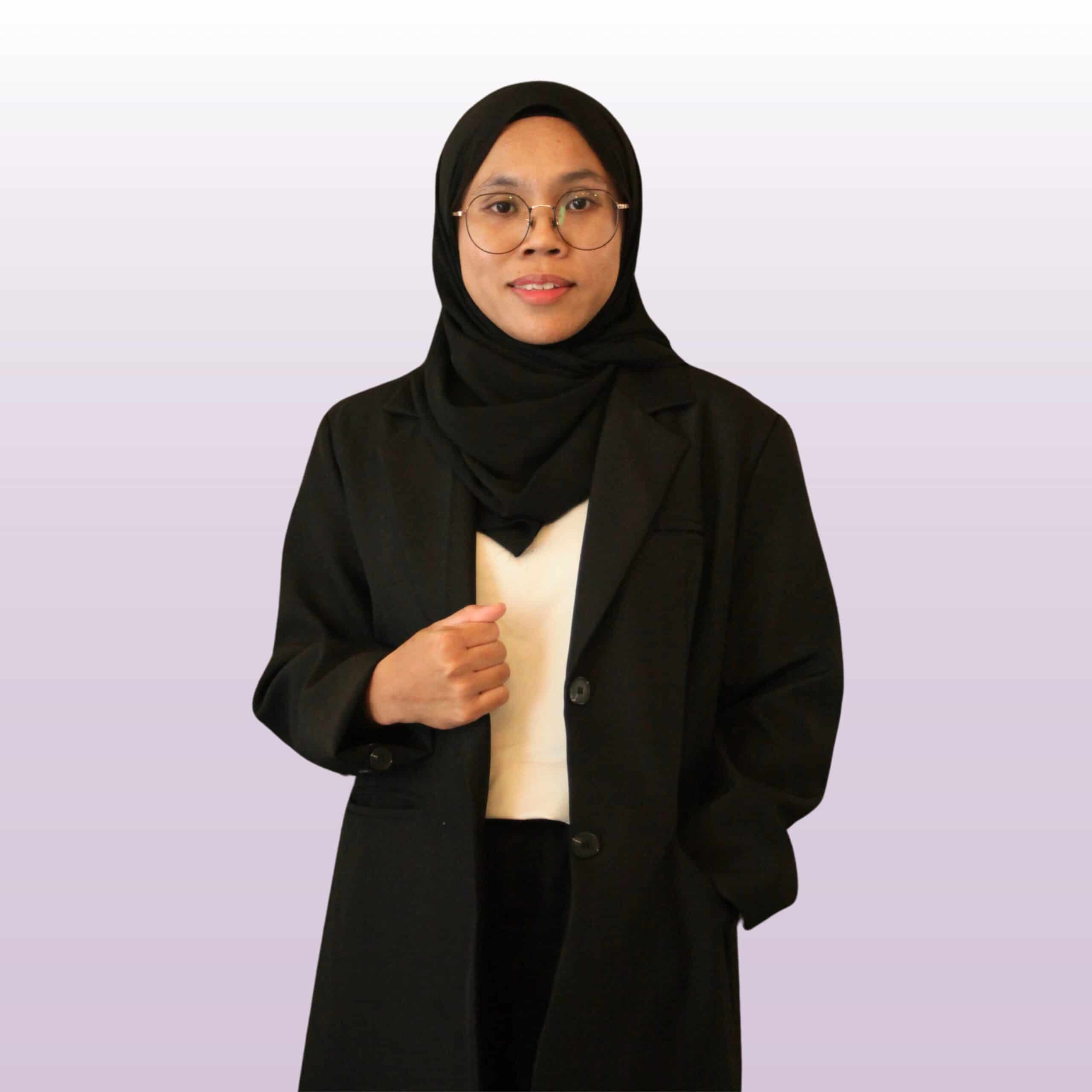
Dr. Nur Hashira Binti Narudin @ Norudin

Lecturer

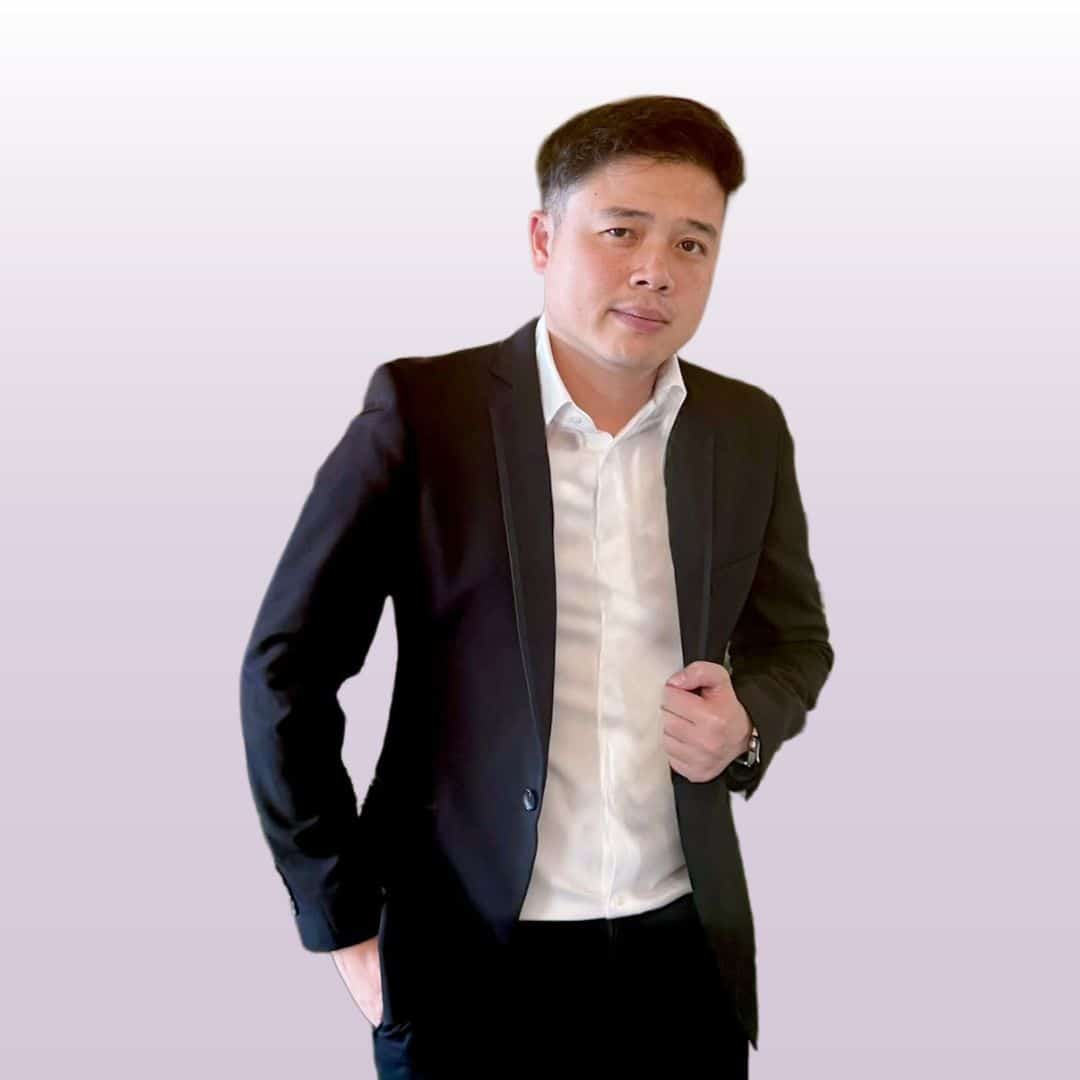
Assoc. Prof. Ts. Dr. Lee Yong Siang

Associate Professor | Deputy Dean

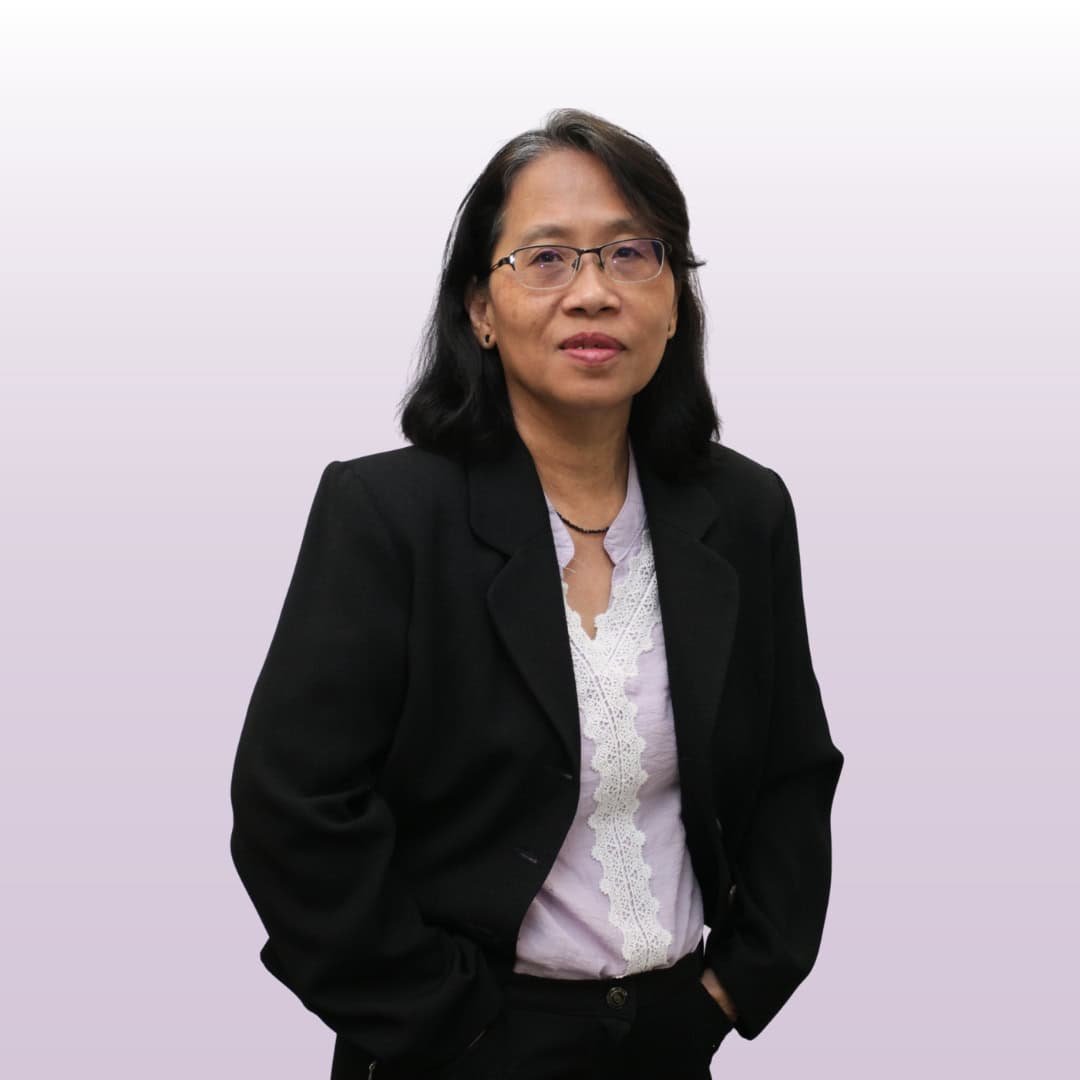
Ts. Chew Bee Leng

Lecturer

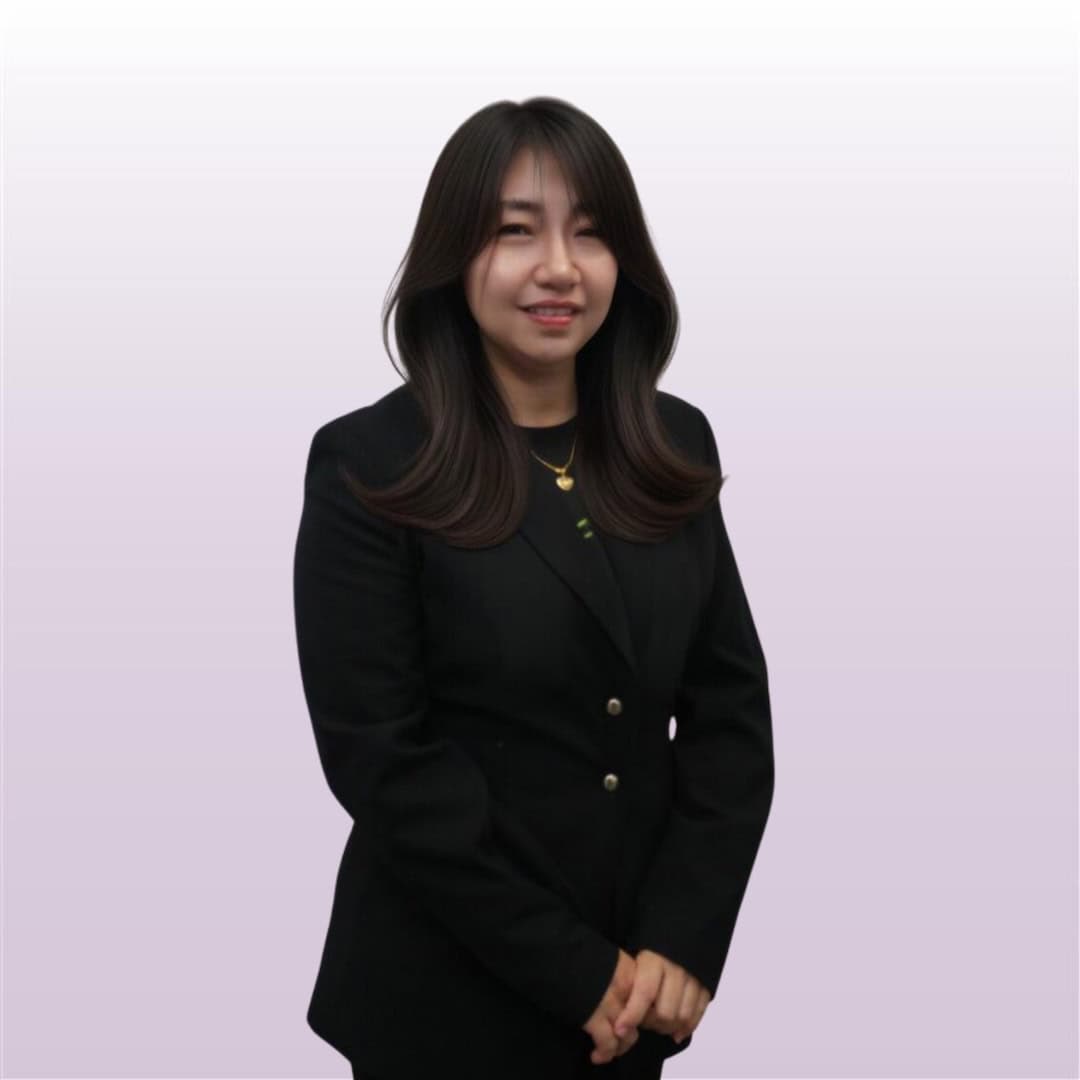
Ts. Shirley Tan Cheng Peng

Senior Lecturer

YOU MIGHT ALSO BE INTERESTED IN THESE STUDY PROGRAMMES