
Equitable access to early childhood education (ECE) in ASEAN must be understood not just through the lens of infrastructure and policy, but also through the cultural, linguistic, and human factors that shape a child’s learning journey.
This was the core message from Prof Dr Anna Christina Abdullah, Dean of WOU’s School of Education, Humanities, and Social Sciences (SEHS), as she addressed challenges related to urban-rural disparities and participation rates in pre-primary education. She shared her insights at the parallel session titled “Early Childhood Education Across ASEAN: Closing the Gap” during the Empowering Education Summit 2025.
The session, held on 21 April 2025, was moderated by Datuk Dr Chiam Heng Keng, Founding President of the Early Childhood Care & Education Council Malaysia (ECCE). Prof Anna was joined by distinguished panellists, including Assoc Prof Dr Mazlina Che Mustafa, Director, National Child Development Research Centre (NCDRC), Universiti Pendidikan Sultan Idris; Ms Leong Mi-Chelle, Principal of SEGi University & Colleges, Penang; and Mr Jery Yeoh, Founder and Executive Director of WhyteHouse Education Group Sdn Bhd.
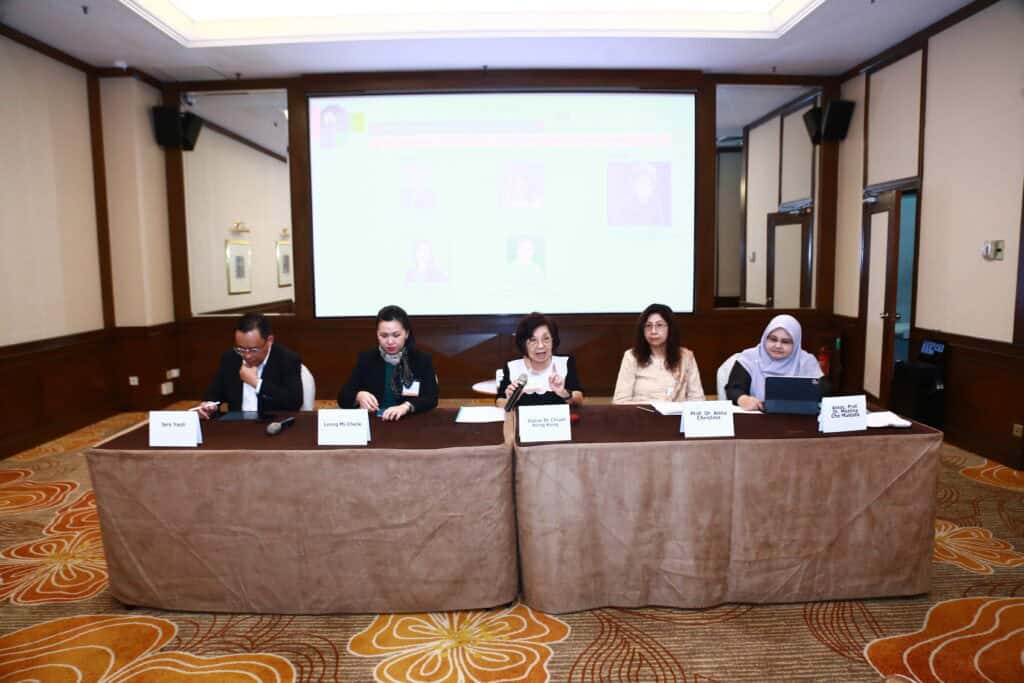
In her remarks, Prof Anna underscored the need for governmental provisions to support compulsory ECE policies with adequate services and infrastructure. Noting that pre-primary education has been made mandatory in ASEAN countries like Vietnam and the Philippines, she emphasised the importance of ensuring that facilities and services are accessible and well-resourced.
But physical access is only part of the equation.
Prof Anna also highlighted cultural norms and parenthood attitudes as significant barriers to accessibility.
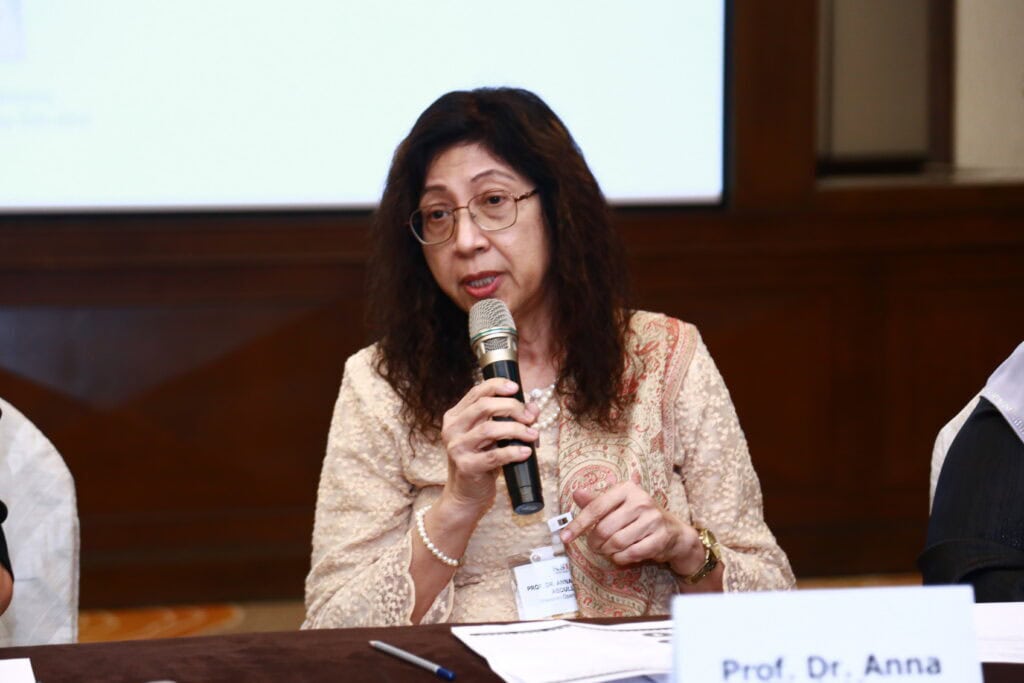
“Many parents, especially in remote areas, do not see the value of ECE. They would rather have their children stay home and help with household chores,” she explained.
Another major barrier, she noted, is language. Most official or recognised ECE centres use the national language as the medium of instruction, which can be difficult for children from ethnic minority communities across ASEAN and even in Malaysia, who may not speak it.
On the matter of quality, Prof Anna emphasised that it ultimately comes down to teacher quality.
“While academic qualifications are important, soft skills — such as being a caring and passionate educator who demonstrates genuine respect for children — are equally vital in delivering quality ECE,” she added.
Prof Anna’s insights reflect WOU’s expanding contribution to the ECE landscape in the region. Through its Diploma in Early Childhood Education (DECE), the University builds foundational competencies in line with national preschool teaching standards. Complementing this are its bachelor’s and postgraduate offerings in education, which are structured to advance the professional growth of educators across different phases of their careers. Anchored by its flexible and inclusive learning model, WOU continues to help raise the quality of early childhood education in Malaysia — one educator at a time.