
Key Takeaways:
- Hands-on technical experience still matters, but manufacturing roles increasingly expect capability in automation, data, and connected systems.
- The skills rising in value are practical ones: IoT, AI applied to production, manufacturing data analytics, robotics, additive manufacturing, and systems thinking.
- Building them formally is what moves experienced technical staff from executing tasks to specifying, improving, and leading the systems behind them.
Table of Contents
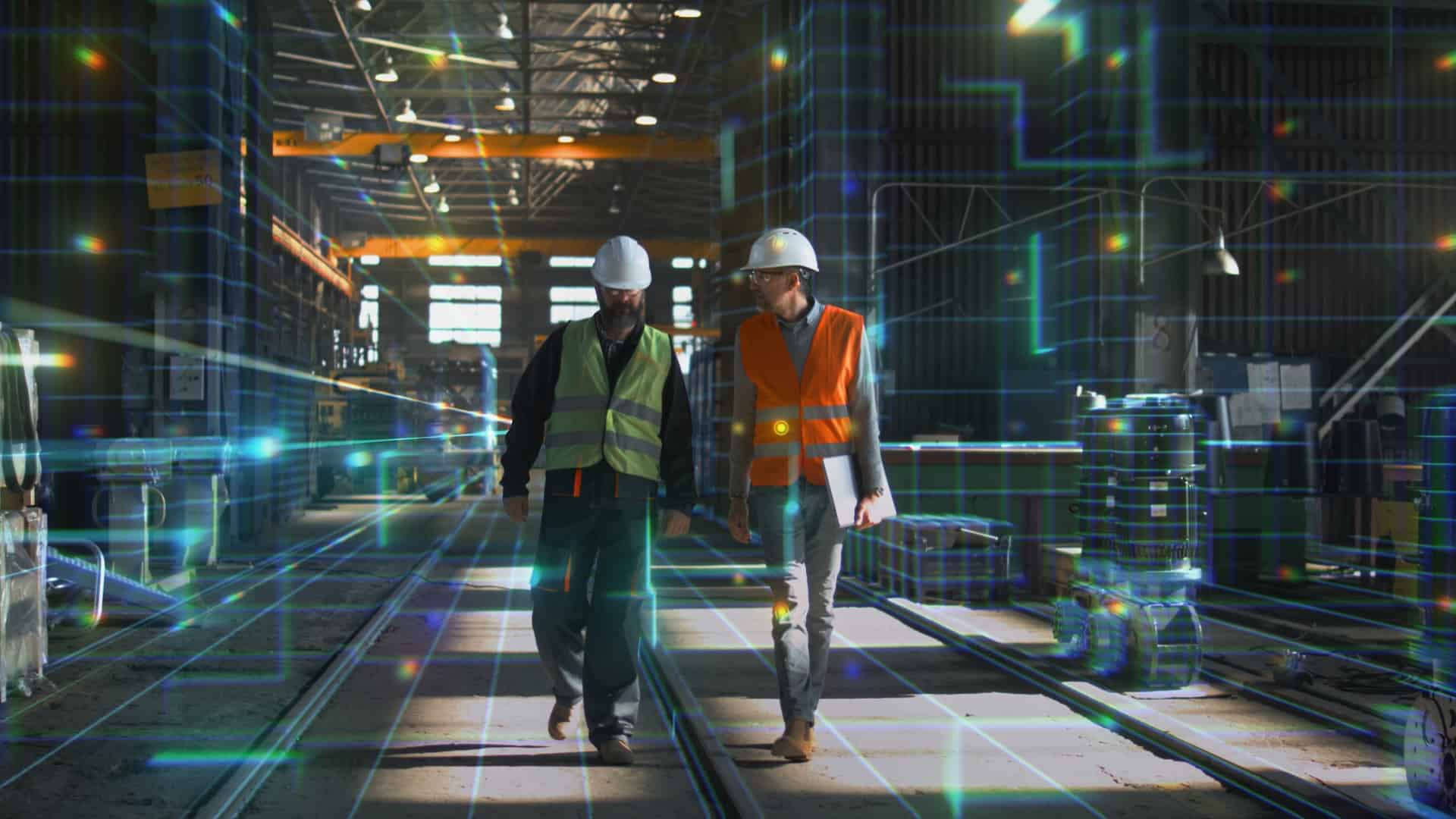
The machine you have maintained for years still runs. What has changed is everything around it: sensors reporting to a dashboard, a system flagging faults before they happen, and a supervisor asking what the data suggests you do next. Your hands-on knowledge is not obsolete. It is simply being asked to work alongside tools nobody trained you on.
That is the quiet pressure many technicians, technologists, and engineers feel right now. As smart manufacturing in Malaysia spreads from the large multinationals to local suppliers, the work stays familiar while the expectations around it keep expanding.
Why the Job Is Changing Faster Than the Job Title
Automation and digitalisation rarely remove a technical role outright. They change what sits inside it. Equipment becomes interconnected, decisions become data-led, and the person who understands both the machine and the system becomes considerably harder to replace.
The gap this opens is not about effort or ability. Experienced staff often know the process better than anyone on the floor. What they lack is a structured grounding in the technologies now wrapped around that process, which is exactly where technician career progression in Malaysia tends to stall.
The Skills Gaining Value on the Factory Floor
The capabilities employers are asking for cluster around a handful of areas:
- Industrial IoT: Connecting equipment so machines report their own condition and performance.
- AI in manufacturing: Using models to predict faults, optimise output, and support production decisions.
- Manufacturing data analytics: Turning shop-floor data into something a team can act on.
- Advanced robotics: Integrating robotic systems safely into existing production lines.
- Additive manufacturing: Applying 3D printing to prototyping, tooling, and short-run parts.
- Systems thinking: Seeing how a change at one station affects quality, cost, and throughput elsewhere.
Together, these are the Industry 4.0 skills in Malaysia that move you from running a line to improving it. They do not replace what you already know on the floor. They make that knowledge worth more.
Where Those Skills Take a Technical Career
The clearest change is in what you are asked to do each day. A technician fixes a machine after it breaks down. Someone with these skills sets up monitoring to catch a fault two weeks before it happens, then builds the case for management to fix it. Same plant, different job, different pay grade.
Those jobs have titles, and employers advertise them regularly: industrial automation specialist, industrial IoT specialist, data analytics engineer, smart factory consultant, and smart manufacturing engineer or manager. Most ask for proven capability in the technologies themselves, not just years on the floor. That is the gap a smart manufacturing master’s in Malaysia is built to close.
Studying While You Stay in the Job
Shift patterns, plant shutdowns, and overtime make a fixed class timetable unrealistic for most people in manufacturing. An engineering master’s for working adults in Malaysia has to work around that, not the other way round.
Wawasan Open University (WOU) delivers its Master of Science in Smart Manufacturing fully online, with a flexible study duration ranging from as little as one year to four years. The core courses map onto the skills above: IoT technology, manufacturing data analytics, AI in manufacturing, advanced robotics, and additive manufacturing, closing with a dissertation on a real manufacturing problem.
Admission is where technical staff often assume they will fall short, and frequently they are wrong. Several routes are open:
- Standard entry: A bachelor’s degree in engineering or engineering technology, with a cumulative grade point average (CGPA) of 2.75 or above.
- CGPA 2.50 to 2.74: Accepted subject to an internal assessment, with no minimum years of experience required.
- CGPA 2.00 to 2.49: Accepted subject to at least five years of relevant work experience and an internal assessment.
- APEL.A: Entry without formal qualifications, open to applicants aged 30 or above in the year of application who hold at least an STPM or diploma, have relevant work experience, and pass the MQA assessment for master’s level.
- APEL.C: Credit exemption once you are in. Every technology course is flagged as eligible, so experience you can evidence may replace studying it again.
Build on What You Already Know
The people who will do best in a changing plant are the ones who understand both the machines and the data running through them. Understanding the machines takes years, and you have already put those in. The technology side is the part that can be taught, which is what it now means to upskill your engineering career in Malaysia.
Discover how WOU’s Master of Science in Smart Manufacturing in Malaysia is designed to run alongside a full-time career. Connect with an advisor today to find the right entry route for your background.
References:
- What is Industry 4.0? Retrieved 17 September 2026, from https://www.ibm.com/think/topics/industry-4-0
Frequently Asked Questions About Upskilling in Smart Manufacturing
Q: What is smart manufacturing, and how is it different from automation?
A: Automation is a machine carrying out a task without a person operating it. Smart manufacturing goes further by connecting that equipment, collecting data from it, and using that data to make decisions, so the line does not just run on its own but reports, predicts, and adjusts.
Q: How do I upskill as a technician when Industry 4.0 changes my job?
A: Start from what your plant is actually adopting, usually connected equipment, production data, or robotics, and build formal grounding in those areas. A structured qualification matters here because it gives employers evidence of capability beyond the hands-on knowledge they already assume you have.
Q: What should I study to stay relevant in smart manufacturing?
A: The consistent areas are industrial IoT, AI applied to manufacturing, manufacturing data analytics, advanced robotics, and additive manufacturing, supported by the systems thinking to connect them. A master’s programme covers these together rather than as separate short courses.
Q: Is a master’s worth it if I already have years of hands-on experience?
A: Experience and qualifications answer different questions. Your years on the floor show you understand the process; the qualification shows you can work with the technologies now built around it, which is what job specifications increasingly ask for.